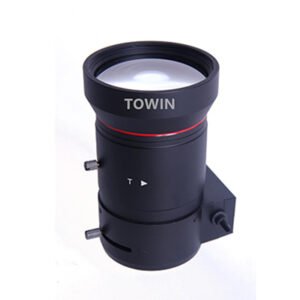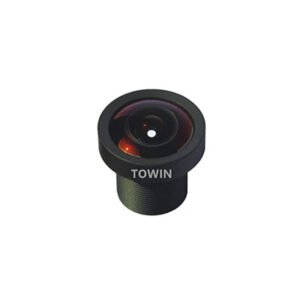

The automotive industry is evolving rapidly, with safety and innovation at its core. One technology making waves is the Automotive Wide-Angle Lens, a critical component in cameras and sensors that redefine how drivers perceive their surroundings. By capturing a broader field of view, this lens minimizes blind spots, improves parking accuracy, and supports advanced driver-assistance systems (ADAS).
What Is an Automotive Wide-Angle Lens?
An Automotive Wide-Angle Lens is a specialized optical lens designed to capture a wider field of view than standard lenses, typically exceeding 100 degrees. This allows it to cover more area in a single frame, making it ideal for applications like rearview cameras, surround-view systems, and lane-departure warnings. Unlike narrow-angle lenses, which focus on distant objects, wide-angle lenses prioritize proximity and peripheral vision, reducing accidents caused by blind spots.
Key Benefits of the Automotive Wide-Angle Lens
1. Enhanced Safety
Blind spots are a leading cause of collisions, especially during lane changes or reversing. The Automotive Wide-Angle Lens provides a near-360-degree view, alerting drivers to obstacles invisible to standard mirrors. For example, Tesla’s Autopilot and other ADAS rely on wide-angle lenses to detect pedestrians, cyclists, and vehicles in adjacent lanes.
2. Improved Parking Assistance
Parallel parking or maneuvering in tight spaces becomes effortless with a wide-angle lens. Systems like BMW’s Parking Assistant use these lenses to project real-time footage onto the infotainment screen, guiding drivers with precision.
3. Cost-Effective Technology Integration
A single Automotive Wide-Angle Lens can replace multiple sensors, reducing manufacturing costs. For instance, a surround-view system might use four wide-angle cameras instead of eight narrow-angle ones, streamlining production without compromising coverage.
4. Durability in Harsh Conditions
Automotive lenses must withstand temperature fluctuations, moisture, and debris. Wide-angle lenses are engineered with weather-resistant coatings and rugged housings, ensuring reliability in snow, rain, or dust.
5. Support for Autonomous Driving
Self-driving cars require comprehensive environmental awareness. The Automotive Wide-Angle Lens feeds data to AI algorithms, helping vehicles navigate complex scenarios like intersections or construction zones.
How Does an Automotive Wide-Angle Lens Work?
The lens captures light from a wide area and focuses it onto a camera sensor. Its curved surface allows more light to enter at steeper angles, expanding the field of view. Software then processes the image, correcting distortions (like barrel distortion) to create a clear, accurate representation. This seamless integration of hardware and software is why the Automotive Wide-Angle Lens is pivotal in ADAS and autonomous systems.
Common Applications of the Automotive Wide-Angle Lens
- Rearview Cameras: Provide a clear view of obstacles when reversing.
- Surround-View Systems: Stitch footage from multiple lenses into a bird’s-eye view.
- Lane-Departure Warning: Monitor lane markings to prevent unintended drifts.
- Traffic Sign Recognition: Identify speed limits and warnings in real time.
- Night Vision: Enhance low-light visibility for safer driving after dark.
FAQs
How does an Automotive Wide-Angle Lens differ from a fisheye lens?
While both capture wide fields of view, fisheye lenses create extreme distortion for artistic or specialized purposes. Automotive Wide-Angle Lenses minimize distortion to ensure accurate object representation, critical for safety systems.
Can I upgrade my car’s standard camera with a wide-angle lens?
It depends on your vehicle’s hardware compatibility. Some aftermarket kits allow lens replacements, but professional installation is recommended to maintain system integrity.
Do wide-angle lenses work in low-light conditions?
Yes, many are designed with low-light sensitivity and infrared capabilities, ensuring visibility even at night.
What maintenance do Automotive Wide-Angle Lenses require?
Regular cleaning to remove dirt or debris is essential. Avoid abrasive materials that could scratch the lens surface.
The Future of the Automotive Wide-Angle Lens
As vehicles become more autonomous, the demand for high-performance lenses will surge. Innovations like liquid lenses (which adjust focus electronically) and AI-driven image processing will further enhance accuracy and reliability. By 2030, the global market for automotive cameras is projected to reach $18 billion, with wide-angle lenses driving much of this growth.
Conclusion
The Automotive Wide-Angle Lens is revolutionizing vehicle safety and convenience. Its ability to eliminate blind spots, support advanced driving systems, and endure harsh conditions makes it a cornerstone of modern automotive design.