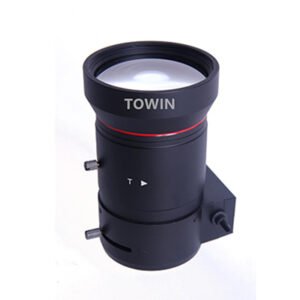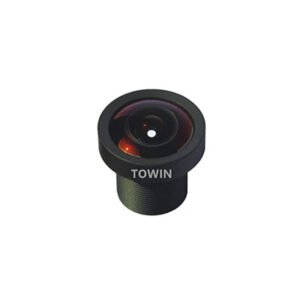

In the fast-paced world of industrial automation, accuracy is non-negotiable. Machine vision systems rely on high-quality optics to inspect, measure, and guide processes with minimal errors. A low distortion lens for machine vision stands out as a critical component, ensuring images remain sharp and true-to-life even under challenging conditions.
What Makes a Low Distortion Lens for Machine Vision Essential?
Machine vision systems capture and analyze images to make decisions, from quality control in manufacturing to robotic navigation. However, lens distortion—such as barrel or pincushion effects—can warp images, leading to inaccurate measurements or flawed inspections. A low distortion lens for machine vision minimizes these aberrations, delivering images that closely match real-world dimensions.
Key Features of Low Distortion Lenses:
- 1. Minimal Geometric Distortion: Typically below 0.1%, ensuring straight lines remain straight.
- 2. High Resolution: Sharp imaging across the entire field of view.
- 3. Wide Aperture Compatibility: Works well with varying light conditions.
- 4. Robust Design: Withstands vibrations, temperature fluctuations, and dust.
5 Benefits of Using a Low Distortion Lens for Machine Vision
1. Unmatched Measurement Accuracy
In industries like semiconductor manufacturing or pharmaceuticals, even microscopic distortions can lead to product defects or costly rework. A low distortion lens for machine vision ensures dimensional accuracy, enabling precise measurements of components as small as 0.01mm. For example, a lens with <0.05% distortion can reduce measurement errors by up to 90% compared to standard lenses.
2. Enhanced Image Quality for Complex Inspections
Machine vision systems often inspect intricate patterns, such as circuit board traces or textured surfaces. Distortion can blur edges or create false anomalies, triggering false rejects. A low distortion lens for machine vision preserves edge sharpness, improving defect detection rates by 20–30% in high-speed applications.
3. Cost Efficiency Through Reduced Downtime
Distorted images force systems to reprocess data or halt operations for manual checks. By eliminating distortion, these lenses streamline workflows, reducing downtime by up to 40%. This translates to significant savings in industries like automotive assembly, where every second counts.
4. Versatility Across Industries
From robotics to 3D scanning, low distortion lenses adapt to diverse applications. For instance, in logistics, they enable barcode readers to decode skewed labels accurately. In agriculture, they help drones map fields with sub-centimeter precision.
5. Long-Term Reliability
Industrial environments are harsh, with dust, moisture, and mechanical stress. Low distortion lenses are built with durable materials like stainless steel or coated glass, ensuring consistent performance over years of use.
How to Choose the Right Low Distortion Lens for Machine Vision
- Focal Length: Shorter focal lengths suit compact systems; longer ones capture wider fields.
- Sensor Size: Ensure the lens covers your camera’s sensor without vignetting.
- Working Distance: Maintain focus at the required distance from the object.
- Light Conditions: Opt for lenses with anti-reflective coatings for low-light environments.
FAQs
What is the maximum acceptable distortion for machine vision?
Most applications require distortion below 0.5%, but critical tasks like metrology demand <0.1%.
Can low distortion lenses work with any camera?
They must match the camera’s sensor size and mount type (e.g., C-mount, F-mount).
How do low distortion lenses compare to fisheye lenses?
Fisheye lenses intentionally create distortion for wide-angle views, while low distortion lenses prioritize accuracy.
Do low distortion lenses require frequent calibration?
No—their stable design minimizes the need for recalibration, saving time and resources.
Are low distortion lenses suitable for outdoor use?
Yes, if they feature weatherproofing and UV-resistant coatings.
Conclusion
As industries push for higher throughput and stricter quality standards, the demand for low distortion lenses for machine vision will surge. These lenses are not just upgrades—they are foundational tools for achieving error-free automation.