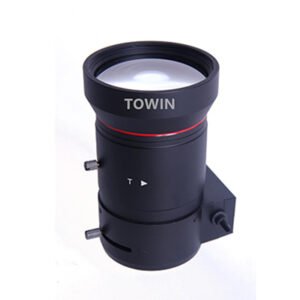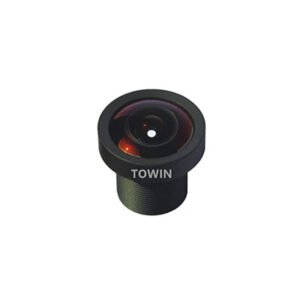

In the automotive industry, innovation is driven by the need for durability, safety, and performance. One critical component that often goes unnoticed is the automotive lens, which protects headlights, taillights, and signal lights from external damage. However, not all lenses are created equal. Enter the chemical-resistant automotive lens—a game-changer designed to withstand harsh environmental factors while maintaining clarity and functionality.
What Makes an Automotive Lens Chemical-Resistant?
A chemical-resistant automotive lens is engineered using advanced polymers or coatings that repel corrosive substances like acids, solvents, and salts. Traditional lenses, often made from polycarbonate or acrylic, degrade over time when exposed to chemicals, leading to cloudiness, cracks, or reduced light transmission. In contrast, chemical-resistant variants incorporate specialized additives or surface treatments that create a barrier against these aggressors.
Key Benefits of Chemical-Resistant Automotive Lenses
1. Enhanced Durability
Chemical-resistant automotive lenses outlast traditional options by resisting degradation from road salts, cleaning agents, and industrial pollutants. This longevity reduces replacement frequency, saving drivers money in the long run.
2. Improved Safety
Clear, unblemished lenses are vital for optimal light distribution. Chemical-resistant lenses maintain their transparency, ensuring headlights and taillights function effectively even after years of exposure to harsh conditions.
3. Cost Efficiency
While chemical-resistant lenses may have a higher upfront cost, their extended lifespan offsets initial expenses. For fleet operators or commercial vehicles, this translates to significant savings over time.
4. Environmental Resistance
These lenses are designed to thrive in extreme environments, from coastal areas with salt-laden air to industrial zones with high chemical emissions. This versatility makes them ideal for global markets.
5. Aesthetic Preservation
Chemical damage often leads to yellowing or hazing, which diminishes a vehicle’s appearance. Chemical-resistant automotive lenses retain their original clarity, keeping vehicles looking newer for longer.
How Chemical-Resistant Automotive Lenses Work
The technology behind these lenses revolves around two primary approaches: material selection and surface modification.
- Material Selection: High-performance polymers like polyetherimide (PEI) or cyclic olefin copolymer (COC) are inherently resistant to chemicals. These materials are often used in aerospace and medical industries for their stability.
- Surface Coatings: Nanocoatings or plasma treatments can be applied to standard lenses to enhance chemical resistance. These layers are ultra-thin but incredibly effective at repelling contaminants.
Industries That Benefit Most from Chemical-Resistant Automotive Lenses
- Commercial Fleets: Trucks and buses operating in urban or industrial areas face constant exposure to pollutants. Chemical-resistant lenses minimize downtime and maintenance costs.
- Off-Road Vehicles: ATVs and construction equipment often encounter mud, solvents, and abrasive chemicals. Durable lenses ensure reliable performance in rugged conditions.
- Luxury Cars: High-end vehicles prioritize aesthetics and longevity. Chemical-resistant lenses protect against environmental wear, preserving the vehicle’s resale value.
FAQs
Are chemical-resistant automotive lenses more expensive than regular lenses?
While they may cost 10–20% more initially, their extended lifespan and reduced maintenance needs make them a cost-effective choice over time.
Can chemical-resistant lenses be recycled?
Yes! Many advanced polymers used in these lenses are recyclable. Check with local recycling facilities for specific guidelines.
Do chemical-resistant lenses require special cleaning products?
No. Standard automotive soap and water are sufficient. Avoid abrasive cleaners, which can damage coatings even on chemical-resistant lenses.
How often should chemical-resistant automotive lenses be replaced?
With proper care, they can last 5–10 years, depending on environmental exposure. Regular inspections are recommended to check for cracks or discoloration.
Are chemical-resistant lenses compatible with all vehicle models?
Most modern vehicles can accommodate chemical-resistant lenses, but compatibility varies by make and model. Consult your manufacturer or a trusted mechanic for guidance.
Conclusion
The rise of chemical-resistant automotive lenses marks a significant leap in vehicle safety and durability. By combining cutting-edge materials with innovative coatings, these lenses offer unparalleled protection against environmental hazards. Whether you’re a fleet manager, off-road enthusiast, or luxury car owner, investing in chemical-resistant lenses ensures your vehicle’s lighting system remains pristine for years to come.