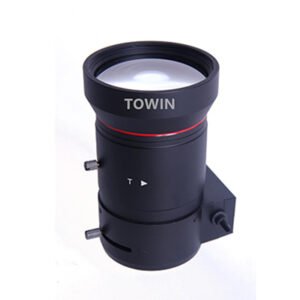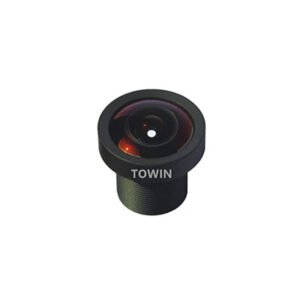

The automotive industry is constantly evolving, with manufacturers prioritizing innovations that enhance safety, durability, and driver experience. One such breakthrough is the scratch-resistant automotive lens, a game-changer for headlights, taillights, and interior displays. Designed to withstand daily wear and tear, these lenses offer unparalleled clarity while reducing the need for frequent replacements.
What Makes an Automotive Lens Scratch-Resistant?
The term scratch-resistant automotive lens refers to lenses coated with advanced materials that resist abrasions, scuffs, and environmental damage. Traditional lenses, often made from polycarbonate or acrylic, are prone to scratching from road debris, cleaning tools, or even fingerprints. Over time, these scratches can blur visibility, compromising safety and aesthetics.
Scratch-resistant coatings, however, are engineered at the molecular level to create a hard, invisible shield. These coatings typically involve:
- Silicone-based polymers: Flexible yet durable, these polymers absorb impact without cracking.
- Nano-ceramic layers: Ultra-thin ceramic particles bond to the lens surface, enhancing hardness.
- Multi-layer systems: Combining hydrophobic and oleophobic properties to repel water, oil, and dirt.
By integrating these technologies, a scratch-resistant automotive lens maintains its optical clarity even after years of use, ensuring drivers enjoy consistent visibility in all conditions.
Key Benefits of Scratch-Resistant Automotive Lenses
Enhanced Safety
Scratches on automotive lenses scatter light, creating glare and reducing nighttime visibility. A scratch-resistant automotive lens eliminates this risk by preserving a smooth, clear surface. This is critical for headlights, where even minor damage can diminish beam intensity by up to 30%, according to studies by the National Highway Traffic Safety Administration (NHTSA).
Long-Term Cost Savings
Replacing scratched lenses can cost hundreds of dollars per unit, especially for luxury vehicles. Scratch-resistant coatings extend lens lifespan by 5–10 years, reducing replacement frequency and lowering maintenance costs.
Improved Aesthetics
A vehicle’s appearance hinges on the condition of its lights and displays. Scratch-resistant lenses maintain a factory-fresh look, boosting resale value and curb appeal.
Resistance to Environmental Factors
From UV rays to acid rain, automotive lenses face constant exposure to harsh elements. Scratch-resistant coatings add a layer of protection against fading, yellowing, and chemical damage.
Eco-Friendly Solution
By reducing the need for replacements, scratch-resistant lenses minimize plastic waste, aligning with global sustainability goals.
How Scratch-Resistant Coatings Are Applied
Manufacturers use two primary methods to create a scratch-resistant automotive lens:
- In-mold coating: The coating is applied during the lens molding process, ensuring uniform coverage.
- Post-molding treatment: A liquid or spray-on coating is cured onto the lens surface using UV light or heat.
Both methods require precision to maintain optical clarity while achieving scratch resistance. Advanced techniques like plasma deposition are also emerging, offering even greater durability for high-end applications.
FAQs
How often should I clean a scratch-resistant automotive lens?
Clean lenses weekly with a microfiber cloth and mild soap to prevent dirt buildup. Avoid abrasive cleaners, which can degrade coatings over time.
Can I apply a scratch-resistant coating myself?
DIY kits exist, but professional application ensures even coverage and durability. Improper use may lead to streaking or reduced effectiveness.
Do scratch-resistant lenses work with LED or HID bulbs?
Yes! These lenses are compatible with all bulb types and enhance light output by maintaining a smooth surface.
Are scratch-resistant lenses worth the extra cost?
Absolutely. The long-term savings on replacements and improved safety justify the initial investment.
How do I know if my lens is scratch-resistant?
Check the manufacturer’s specifications or look for labels like “hard-coated” or “abrasion-resistant.” If unsure, consult a dealership or auto glass specialist.
The Future of Automotive Lens Technology
As vehicles become smarter, the demand for durable, high-performance lenses grows. Innovations like self-healing coatings—which repair minor scratches using heat or light—are on the horizon. Additionally, researchers are exploring biodegradable coatings to further reduce environmental impact.
Final Thoughts
The road ahead is full of challenges, but your automotive lenses don’t have to be one of them. By choosing a scratch-resistant automotive lens, you’re investing in a clearer, safer, and more cost-effective driving experience.