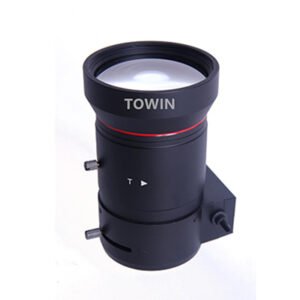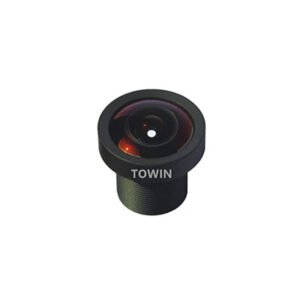

When it comes to CCTV surveillance systems, the lens plays a crucial role in ensuring clear, high-definition video capture. One of the most advanced types of lenses available today is the high-transmittance CCTV lens. Known for its ability to deliver exceptional clarity and image quality, this lens is becoming a go-to choice for security systems in various settings, from homes to commercial properties.
What is a High-transmittance CCTV Lens?
A high-transmittance CCTV lens is designed to allow more light to pass through it, thereby improving the clarity and quality of images captured by security cameras. This type of lens is made from optical materials that are specially engineered to reduce light distortion and maximize the amount of light transmitted to the sensor. The result is a sharper, clearer image, especially in low-light environments.
The high-transmittance feature of these lenses is especially important for surveillance systems that operate in varied lighting conditions. Whether in dimly lit areas or during the night, a high-transmittance CCTV lens ensures that your cameras provide accurate, high-quality footage.
Benefits of High-transmittance CCTV Lens
1. Enhanced Image Clarity and Detail
The primary benefit of using a high-transmittance CCTV lens is improved image clarity. Traditional CCTV lenses may suffer from blurriness or pixelation, especially in low-light conditions. With higher light transmittance, these lenses ensure that every detail is captured in sharp focus. This can be critical in situations where facial recognition or identifying a vehicle’s license plate is necessary.
2. Superior Low-Light Performance
Many CCTV systems are used in environments where there is little or no natural light. In such settings, high-transmittance CCTV lenses allow more light to reach the sensor, improving the camera’s ability to capture clear images in low-light or even no-light environments. This makes them ideal for night surveillance or areas that are not well-lit during the day.
3. Reduced Chromatic Aberration
Chromatic aberration occurs when different colors of light do not converge at the same point, causing the image to appear distorted or blurry. High-transmittance CCTV lenses are designed to minimize this issue, resulting in images with more accurate colors and clearer details. This is especially beneficial in high-definition CCTV systems where color accuracy is critical.
4. Wide Range of Applications
From residential homes to large commercial complexes, high-transmittance CCTV lenses are versatile enough to meet the needs of various surveillance scenarios. These lenses are commonly used in both indoor and outdoor security systems, and they work well with different types of CCTV cameras, including dome, bullet, and PTZ (pan-tilt-zoom) cameras.
How Does a High-transmittance CCTV Lens Work?
A high-transmittance CCTV lens works by using advanced optical technology to maximize light transmission through the lens. The materials used in these lenses have higher light transmittance rates compared to standard lenses. This means that more light enters the lens and is captured by the camera sensor, resulting in brighter, clearer images.
Furthermore, these lenses are often coated with special coatings that reduce glare and reflections. This ensures that the images captured are as clear as possible, without unwanted light distortion.
Key Features to Look for in a High-transmittance CCTV Lens
-
1. Lens Material: Look for lenses made from high-quality optical glass or advanced polymers that allow maximum light transmittance.
- 2. Aperture Size: The aperture determines how much light can enter the lens. A larger aperture allows more light to pass through, improving the lens’s low-light performance.
- 3. Coatings: Anti-reflective coatings help reduce glare and increase the lens’s light transmittance, leading to clearer images.
- 4. Compatibility: Ensure that the lens is compatible with your CCTV camera’s sensor type and resolution to achieve the best performance.
How to Choose the Right High-transmittance CCTV Lens?
-
Lighting Conditions: If you need a lens for night surveillance or dimly lit areas, prioritize lenses with high light transmittance and wide apertures.
- Resolution: Higher resolution cameras benefit from lenses that provide sharp, detailed images. Ensure the lens is compatible with your camera’s resolution for optimal performance.
- Field of View: Consider the field of view (FOV) you need for your surveillance system. Some lenses provide a wide-angle view, while others are more focused for specific areas.
FAQs
Why is light transmittance important for CCTV lenses?
Light transmittance is crucial because it determines how much light reaches the camera’s sensor. A high-transmittance CCTV lens allows more light, leading to clearer and brighter images, especially in low-light conditions.
Can I use a high-transmittance CCTV lens for outdoor surveillance?
Yes, high-transmittance CCTV lenses are ideal for both indoor and outdoor surveillance, particularly in low-light or nighttime conditions. They ensure that even in poorly lit environments, the camera captures clear and detailed footage.
Are high-transmittance CCTV lenses more expensive than regular lenses?
Generally, yes. High-transmittance CCTV lenses are often made from advanced materials and feature coatings that improve light transmission and image quality. However, the added cost is often worth it for the improved performance, especially in demanding surveillance environments.
How can I improve the performance of my CCTV system using a high-transmittance lens?
Upgrading to a high-transmittance CCTV lens can significantly enhance your CCTV system’s performance, particularly in low-light conditions. By increasing the amount of light captured, the lens improves image clarity, making it easier to identify people or objects, even in dark environments.
Conclusion
Incorporating a high-transmittance CCTV lens into your surveillance system can dramatically improve the clarity and detail of your video footage. Whether you’re looking to enhance your security at home or in a commercial space, these lenses offer superior low-light performance, reduced distortion, and exceptional image quality.