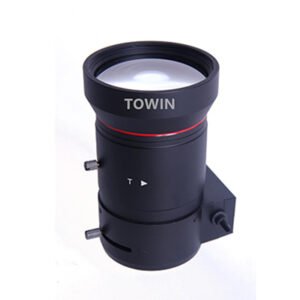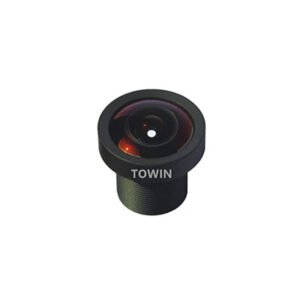

The automotive industry is evolving rapidly, with safety and durability taking center stage. One innovation that stands out is the shockproof automotive lens, a cutting-edge component designed to withstand extreme conditions while maintaining optimal performance.
Why Shockproof Automotive Lenses Are Essential for Modern Vehicles
In today’s fast-paced world, vehicles face countless challenges—from minor collisions to harsh environmental conditions. Traditional lenses often crack or shatter under pressure, compromising visibility and safety. The shockproof automotive lens addresses this issue head-on by integrating advanced materials and engineering techniques.
1. Impact Resistance:
The primary advantage of a shockproof automotive lens is its ability to absorb and disperse energy during impacts. Unlike conventional glass or plastic lenses, these are crafted from polycarbonate or tempered glass composites, which are 10 times more resistant to fractures. This makes them ideal for off-road vehicles, sports cars, and even everyday commuter cars prone to road debris.
2. UV Protection:
Prolonged exposure to sunlight can degrade lens quality over time. Shockproof automotive lenses are coated with UV-resistant layers that prevent fading, yellowing, or warping. This ensures long-lasting clarity, even in sunny climates.
3. Thermal Stability:
Extreme temperatures can cause lenses to expand, contract, or crack. Shockproof variants are engineered to withstand temperature fluctuations ranging from -40°C to 120°C, making them suitable for both Arctic tundras and desert landscapes.
4. Scratch Resistance:
A hardened surface coating protects the lens from scratches caused by dust, gravel, or cleaning tools. This maintains optical precision and reduces the need for frequent replacements.
5. Lightweight Design:
Despite their robustness, shockproof automotive lenses are lightweight, reducing strain on vehicle components like headlight assemblies or rearview mirrors. This contributes to better fuel efficiency and overall performance.
How Shockproof Automotive Lenses Are Manufactured
1. Material Selection:
Polycarbonate or tempered glass is chosen for its inherent strength and flexibility. These materials are then reinforced with nano-coatings to enhance durability.
2. Molding & Shaping:
Using injection molding or thermal forming, the lens is shaped into the desired curvature while maintaining structural integrity. This step ensures the lens fits seamlessly into vehicle designs.
3. Coating Application:
Anti-reflective, UV-blocking, and scratch-resistant coatings are applied using vacuum deposition techniques. These layers are just a few micrometers thick but provide unparalleled protection.
4. Quality Testing:
Each lens undergoes rigorous testing, including impact simulations, thermal cycling, and optical clarity assessments. Only lenses that meet international safety standards (like ISO 16949) are approved for use.
Applications of Shockproof Automotive Lenses
1. Headlights & Taillights:
Protects lighting systems from damage caused by minor collisions or flying debris.
2. Rearview Mirrors:
Ensures uninterrupted visibility even after accidental bumps or vandalism.
3. Camera Lenses:
Safeguards ADAS (Advanced Driver Assistance Systems) cameras from environmental wear and tear.
4. Sunroofs & Windows:
Provides an extra layer of safety against hail, stones, or break-ins.
The Future of Shockproof Automotive Lenses
As automotive technology advances, so do the demands for safer, more resilient components. Innovations like self-healing coatings and smart lenses that adjust transparency based on lighting conditions are on the horizon. For instance, companies like Corning Inc. are pioneering Gorilla Glass for automotive applications, offering even greater shock resistance.
Moreover, the rise of electric vehicles (EVs) and autonomous driving systems has heightened the need for reliable optical components. A shockproof automotive lens will play a critical role in ensuring these systems function flawlessly under all conditions.
FAQs
Are shockproof lenses more expensive than regular lenses?
While initially costlier, their durability reduces long-term replacement costs, making them a cost-effective investment over time.
Can shockproof lenses be recycled?
Yes! Most shockproof lenses are made from recyclable materials like polycarbonate, reducing environmental impact.
Do shockproof lenses affect headlight brightness?
No. Advanced coatings ensure optimal light transmission while protecting against damage.
How often should I replace a shockproof lens?
With proper care, these lenses can last the lifetime of your vehicle. However, inspect them regularly for signs of wear or damage.
Are shockproof lenses legal for road use?
Absolutely! All shockproof automotive lenses must comply with international safety standards like DOT (Department of Transportation) or ECE regulations.
Do shockproof lenses reduce glare?
Yes! Many models feature anti-glare coatings that improve visibility during night driving or bright sunlight.
Conclusion
In an era where safety and reliability are non-negotiable, the shockproof automotive lens emerges as a critical innovation. Its ability to withstand impacts, resist environmental damage, and maintain optical clarity makes it an indispensable component for modern vehicles.