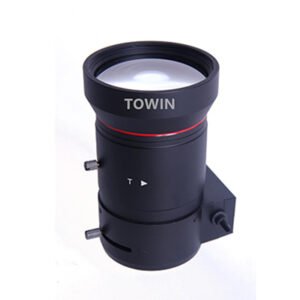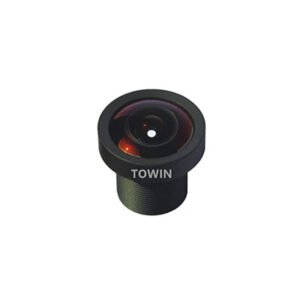

Medical imaging is a cornerstone of modern healthcare, enabling early detection, accurate diagnosis, and effective treatment planning. Among the technologies driving this field forward, machine vision lenses in medical imaging stand out for their ability to deliver unparalleled clarity, speed, and reliability.
The Role of Machine Vision Lenses in Medical Imaging
Machine vision lenses are engineered to capture high-resolution images with minimal distortion, making them ideal for medical applications where precision is non-negotiable. Unlike standard lenses, these are optimized for specific wavelengths, lighting conditions, and sensor sizes, ensuring compatibility with medical devices such as endoscopes, microscopes, and MRI machines.
In machine vision lenses in medical imaging, the focus is on achieving:
- High optical resolution to detect minute details, such as cellular abnormalities or tissue irregularities.
- Low distortion to maintain image integrity, critical for accurate measurements and 3D reconstructions.
- Durability to withstand sterilization processes and frequent use in clinical settings.
Key Applications of Machine Vision Lenses in Medical Imaging
1. Endoscopy and Minimally Invasive Surgery
Machine vision lenses are integral to endoscopes, providing clinicians with a clear view of internal organs without large incisions. Their compact size and high light sensitivity make them ideal for procedures like colonoscopies, arthroscopies, and laparoscopies.
2. Microscopy and Histology
In laboratories, machine vision lenses improve the accuracy of digital microscopy systems. They enable faster slide scanning and automated image analysis, which is crucial for detecting cancers and infectious diseases.
3. Ophthalmology
Eye care professionals rely on machine vision lenses for retinal imaging and corneal topography. These lenses capture detailed images of the eye’s structure, aiding in the diagnosis of conditions like glaucoma and diabetic retinopathy.
4. Radiology and MRI
While MRI machines primarily use magnetic fields, machine vision lenses play a role in optimizing the alignment and calibration of imaging components, ensuring consistent, high-quality scans.
Benefits of Machine Vision Lenses in Medical Imaging
- Enhanced Accuracy: High-resolution imaging reduces diagnostic errors, leading to better treatment decisions.
- Speed and Efficiency: Automated image processing capabilities streamline workflows, saving time for clinicians.
- Cost-Effectiveness: Long-term durability and reduced maintenance needs lower operational costs.
- Patient Safety: Minimally invasive procedures powered by these lenses reduce recovery times and complications.
Future Trends in Machine Vision Lenses for Medical Imaging
- AI Integration: Combining machine vision with artificial intelligence to enable real-time anomaly detection.
- 3D Imaging: Developing lenses capable of capturing depth information for more detailed anatomical models.
- Portable Devices: Miniaturizing lenses for use in handheld diagnostic tools, expanding access to quality care.
FAQs
What makes machine vision lenses different from regular lenses?
Machine vision lenses are designed for industrial and medical applications, prioritizing precision, durability, and compatibility with specific sensors and lighting conditions. Regular lenses may lack these optimizations, leading to lower image quality in critical settings.
Are machine vision lenses expensive?
While initial costs can be higher, their long-term benefits—such as reduced maintenance and improved diagnostic accuracy—often justify the investment.
Can machine vision lenses be used in all medical imaging devices?
They are compatible with most systems requiring high-resolution imaging, including endoscopes, microscopes, and slide scanners. However, customization may be needed for niche applications.
How do machine vision lenses improve patient outcomes?
By enabling clearer, more accurate images, these lenses help clinicians detect diseases earlier and perform procedures with greater precision, reducing risks and improving recovery times.
What advancements are expected in the next decade?
Expect tighter integration with AI, smaller form factors for portable devices, and enhanced 3D imaging capabilities to redefine diagnostic standards.
Conclusion
Machine vision lenses in medical imaging are not just a technological upgrade—they are a paradigm shift in how we approach diagnostics and treatment. By combining cutting-edge optics with robust design, these lenses empower clinicians to deliver safer, faster, and more accurate care.