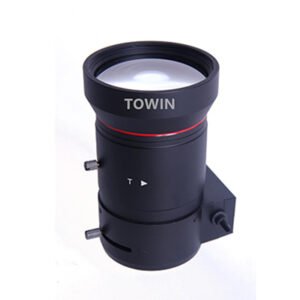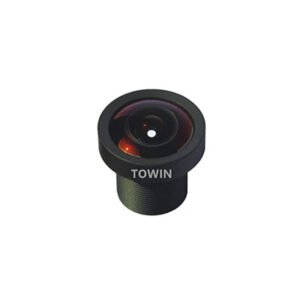
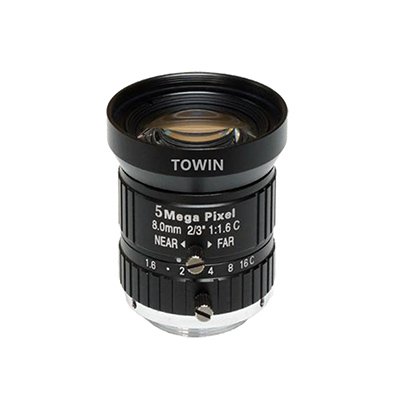
In the fast-paced world of food manufacturing, maintaining impeccable hygiene standards is non-negotiable. Contamination risks, regulatory fines, and reputational damage are just a few consequences of lapses in cleanliness. Enter the FA Lens for Food Inspection: Hygiene Focus, a cutting-edge tool designed to elevate hygiene monitoring to unprecedented levels.
Why Hygiene Matters in Food Inspection
The FA Lens for Food Inspection: Hygiene Focus addresses this gap by offering high-resolution imaging and AI-driven analysis to detect even the smallest particles, residues, or foreign objects.
Key Hygiene Challenges in Food Production:
- Microbial contamination from unsanitized surfaces.
- Chemical residues from cleaning agents.
- Physical hazards like glass shards or metal fragments.
- Allergen cross-contact in shared production lines.
The FA Lens for Food Inspection: Hygiene Focus tackles these issues head-on, providing a proactive approach to risk mitigation.
How the FA Lens for Food Inspection: Hygiene Focus Works
The FA Lens combines optical precision with machine learning to deliver actionable insights. Here’s a breakdown of its core functionalities:
1. High-Resolution Imaging
The lens captures images at microscopic levels, identifying contaminants invisible to the naked eye. For example, it can detect bacterial colonies on conveyor belts or residue in crevices of machinery.
2. AI-Powered Analysis
Machine learning algorithms analyze images in real time, classifying risks and prioritizing alerts. This reduces human error and speeds up decision-making.
3. Automated Reporting
The system generates detailed reports with timestamps, locations, and severity ratings, helping teams address issues swiftly.
4. Integration with Existing Systems
The FA Lens for Food Inspection: Hygiene Focus seamlessly integrates with IoT platforms, enabling remote monitoring and data-driven process improvements.
Real-World Application:
A dairy plant in Europe reduced contamination incidents by 70% after adopting the FA Lens. By scanning processing equipment daily, they identified and fixed hygiene gaps before products reached consumers.
5 Benefits of the FA Lens for Food Inspection: Hygiene Focus
1. Enhanced Accuracy
Traditional methods miss up to 40% of contaminants. The FA Lens reduces this to under 5%, ensuring safer products.
2. Cost Efficiency
Early detection of hygiene issues prevents costly recalls. For instance, a meat processor saved $2 million annually by avoiding a single major recall.
3. Regulatory Compliance
The FA Lens helps meet standards like FDA, HACCP, and ISO 22000, avoiding penalties and building trust with regulators.
4. Scalability
Whether inspecting a small bakery or a multinational facility, the FA Lens adapts to varying production volumes without compromising performance.
5. Brand Protection
Consumers prioritize safety. A 2023 survey found that 68% of buyers would switch brands after a hygiene-related recall. The FA Lens safeguards reputation by ensuring consistent quality.
FAQs
How does the FA Lens improve over traditional inspection methods?
The FA Lens uses AI and high-resolution imaging to detect contaminants 10x smaller than human-visible particles, reducing false negatives by 90%.
Is the FA Lens suitable for small businesses?
Absolutely! Modular designs and cloud-based analytics make it affordable for businesses of all sizes.
Can the FA Lens detect allergens?
Yes, it identifies allergen residues like gluten or nuts on surfaces, preventing cross-contact in shared facilities.
What maintenance is required?
The FA Lens requires minimal upkeep—just periodic cleaning and software updates. Its self-calibrating features ensure consistent performance.
Conclusion
In an era where consumer trust is paramount, the FA Lens for Food Inspection: Hygiene Focus offers a reliable, scalable solution to safeguard products and brands. By combining precision, speed, and intelligence, it empowers food producers to stay ahead of risks and compliance demands.